What to look for in a beginner electric guitar
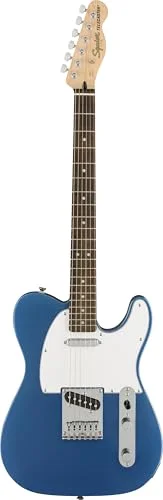
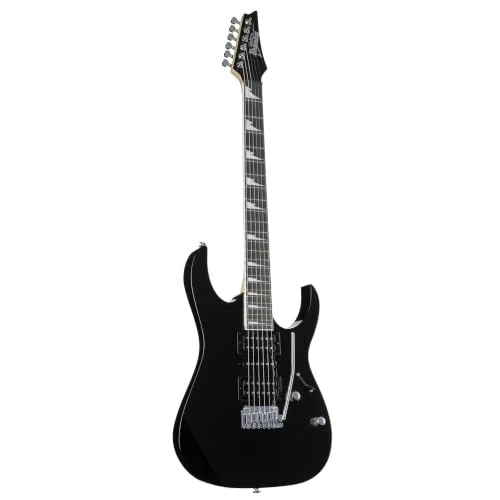
A good first electric guitar gets three things right. First, playability: a low, even action and a comfortable neck mean less effort per note, so you practise more and quit less. All three guitars above play well, and the Yamaha Pacifica 112V arrived with the lowest 1.8 mm action of any guitar we tested. Second, the right pickups for your music, which we cover below. Third, build quality you will not outgrow: a guitar that holds tuning and stays solid is one you keep, while a flimsy bargain ends up in the cupboard. Spend a little more than the absolute minimum and you buy a guitar that lasts.
The most common beginner mistake is buying the cheapest guitar in the shop. Below roughly £150 the tuners slip, the pickups are harsh and the factory action is often so high that barre chords feel impossible, which makes learning harder, not cheaper. The £170 to £300 bracket, where our three picks sit, is the sweet spot: genuinely good guitars that encourage you to keep going. Whichever you choose, budget another £25 to £35 for a professional setup, which lowers the action and is the single best thing you can do to a budget guitar.
Which sound suits you?
Match the guitar to the music you want to play. If you love bright, clean, glassy tones for blues, funk, pop or indie, the three-single-coil Squier Affinity Stratocaster is the classic choice and the best value here at around £199. If your heart is in rock and metal, the humbucker-loaded Ibanez GRG170DX at £179 has the tight high-gain tone, the fast neck and the 24 frets you want. And if you are not sure, or you want one guitar that does a bit of everything, the Yamaha Pacifica 112V at £269 has a coil-split humbucker that covers both bright cleans and rock crunch, which is why it is our overall pick for beginners. Our guide to single-coil vs humbucker explains the difference in full.
An electric guitar needs an amplifier to be heard, so plan for a small practice amp (£80 to £150) from a brand such as Fender, Boss, Yamaha or Positive Grid; many include built-in effects and a headphone socket for silent practice, which is invaluable in a flat. You will also want a guitar lead, a tuner (a free phone app works fine to start), a strap, a few picks and a set of spare strings. A gig bag protects the guitar between lessons. Starter packs bundle these together and can be good value, but the cheapest packs pair a weak guitar with a tinny amp, so buying a good standalone guitar like the Yamaha plus a respected practice amp separately usually serves you better in the long run.