Pickups: the decision that shapes your sound most
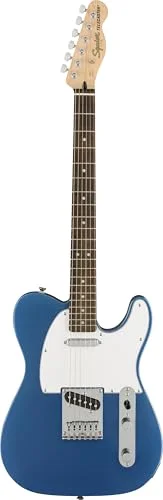
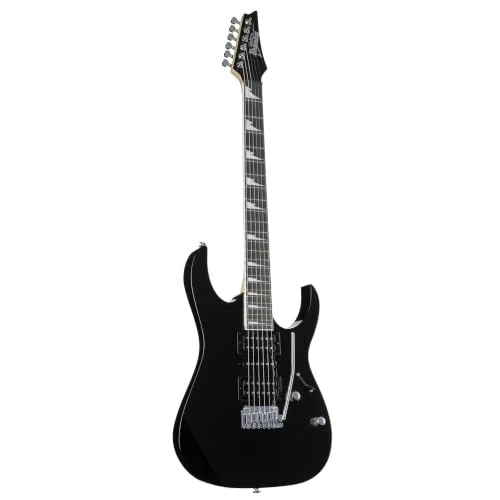
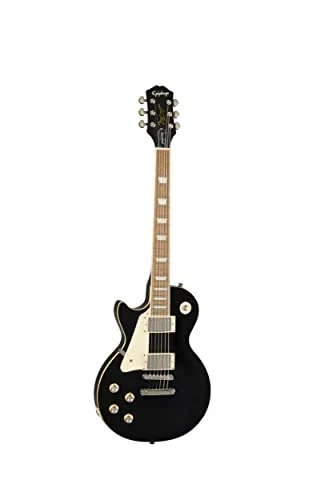
The pickups are the magnets under the strings that turn string vibration into the signal your amp hears, so they shape the tone more than anything else on the guitar. Single-coil pickups, as on a Stratocaster, are bright, clear and dynamic, with a glassy clean tone that suits blues, funk, pop and indie, at the cost of a little background hum. Humbuckers, as on a Les Paul, wire two coils together to cancel that hum, and they sound warmer, thicker and louder, which is why they own rock and metal. In our testing the single-coil Squier Affinity sparkled clean but turned hummy and loose under heavy gain, while the humbucker-loaded Ibanez GRG170DX stayed tight and articulate with the distortion cranked. Decide which sound matches your music first; it narrows the choice more than anything else. Our dedicated single-coil vs humbucker guide goes deeper.
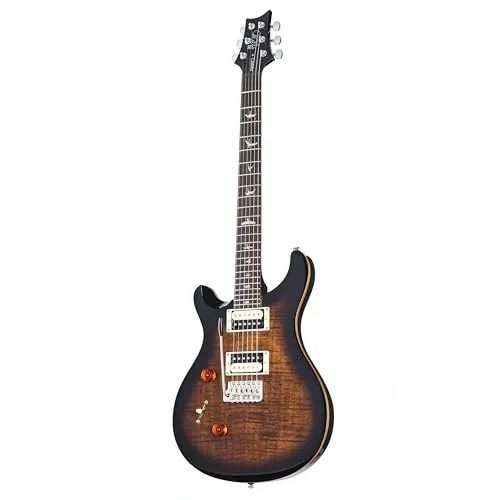
One nuance worth knowing: some guitars give you both. A coil-split switch, often a push-pull knob, turns a humbucker into a single-coil, so one guitar covers warm and bright tones. The Yamaha Pacifica 112V, the Epiphone Les Paul Standard 60s and the PRS SE Custom 24 all offer it, which is a big part of why they are so versatile. If you are not sure which sound you want, a coil-split guitar is the safest bet, because it lets you explore both from one instrument.
Action and playability: how easy it is to play
The action is the height of the strings above the frets, and it decides how much effort each note takes. Too high and barre chords and bends become a struggle; too low and the strings buzz. We measure it on the low E string at the 12th fret, where the ideal for an electric is around 1.5 to 2.0 mm, lower than an acoustic because the thinner strings need less room. A factory guitar usually ships on the high side for safety: the Squier Affinity arrived at 2.6 mm, while the Yamaha Pacifica at 1.8 mm and the Fender Player II at 1.9 mm were ready to play out of the box.
The fix is a professional setup: for £25 to £35 a tech lowers the action, adjusts the neck relief, sets the intonation and dresses the fret ends, which makes any guitar far easier to play. It is the single best upgrade a beginner can buy, and on a budget guitar it matters more than spending an extra £50 on the instrument itself. The neck shape matters too: a thin, flat neck like the Ibanez (19 mm at the first fret) suits fast lead playing, while a rounder profile fills the hand more. When you compare two guitars at the same price, the one with the lower factory action and the neck that suits your hand will feel better.
Body, bridge and scale: feel and tuning
The body shape, the bridge and the scale length change both the feel and what the guitar is good for. A Stratocaster body is light and contoured with a vibrato (tremolo) bridge for subtle pitch wobble, the classic all-rounder, as on the Squier and Fender. A Les Paul body is heavier and denser with a fixed bridge that holds tuning rock solid and feeds long, warm sustain, as on the Epiphone. A superstrat such as the Ibanez is a sharper, lighter shape with a fast neck built for lead. The scale length, the distance from nut to bridge, also matters: the Fender 648 mm scale gives a tighter, brighter string feel, the Gibson-style 628 mm a slacker, warmer one, and the PRS 635 mm sits between. A vibrato bridge adds expression but can drift out of tune, especially the budget units, so if you never use a whammy bar, a fixed bridge is one less thing to worry about.
You need an amp (and a few other things)
Unlike an acoustic, an electric guitar makes almost no sound on its own, so you need an amplifier to hear it properly. For a beginner a small 10 to 20 watt practice amp from a brand such as Fender, Boss, Yamaha or Positive Grid costs about £80 to £150 and is plenty for home use; many include built-in effects and a headphone socket for silent practice. Budget for that on top of the guitar. You will also want a guitar lead, a tuner (a free phone app works), a strap, a few picks and a set of spare strings. A starter pack can bundle these, but the cheapest packs pair a weak guitar with a tinny amp, so buying a solid standalone guitar plus a respected practice amp separately usually gives better long-term results.
How much to spend
For most first-time buyers the sweet spot is £170 to £300, plus the amp. Below roughly £150, poor tuners, harsh pickups and high actions make learning genuinely harder. From £170 to £300 you get a good guitar that sounds and plays well: the £179 Ibanez GRG170DX for rock and metal, the £199 Squier Affinity for the classic Strat sound, and the £269 Yamaha Pacifica for the most versatile single buy. Above £300 you pay for Alnico pickups, nicer woods, better hardware and finer setups, refinements that an intermediate player such as the buyer of a £469 Epiphone Les Paul, a £749 Fender Player II or an £899 PRS SE Custom 24 will appreciate. Whatever you spend, set aside £25 to £35 for a setup; it transforms a budget guitar.